5 min read
What is a Digital Loyalty Card?
Learn what digital loyalty cards are, how they work, and why businesses are switching from paper punch cards to mobile wallet loyalty programs.
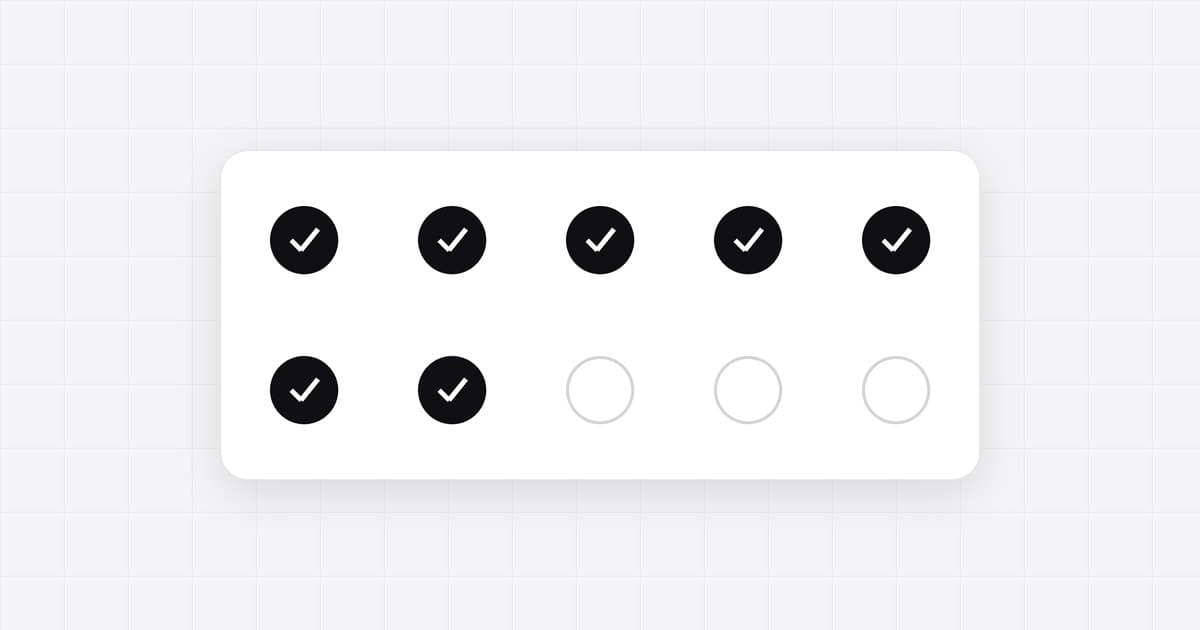
If you have ever been handed a small cardboard card at a barber shop and told "ten cuts and the eleventh is on us," you already understand loyalty cards. A digital loyalty card is the same concept, moved from paper into a customer's smartphone.
Instead of stamping a physical card, staff scan a QR code on the customer's phone at checkout. Their loyalty progress, whether that is stamps, points or a tier, is stored securely in Apple Wallet or Google Wallet, right next to their credit cards and boarding passes. No app download required.
How Digital Loyalty Cards Work
The process is straightforward for both the business and the customer:
- Setup: The business creates a loyalty program using a platform like Loyalisto. They choose the program type (stamps, points, tiers and so on), customize the card design with their branding, and set the reward rules.
- Enrollment: A QR code is displayed at the counter, on receipts, or on table tents. When a customer scans it with their phone camera, the loyalty card is automatically added to their Apple Wallet or Google Wallet.
- Earning: On each visit or purchase, staff scan the QR code on the customer's pass. Stamps or points are credited instantly, and the customer sees a real-time update on their phone.
- Redeeming: When a customer reaches the reward threshold, say 10 stamps, they show the pass at the counter and staff give the reward from the scanner. The cycle then starts again.
Digital vs. Paper Loyalty Cards
Paper loyalty cards have been around for decades, and they work, up to a point. But they come with significant drawbacks that digital cards solve:
Loss and Fraud
Paper cards get lost, left at home, or thrown away, and a card the customer cannot find is a card that never brings them back. Paper stamps are also easy to forge: the stamp on your counter is usually one a customer could buy from a stationery store.
Digital cards live in the customer's phone wallet. They cannot be lost (unless the customer loses their phone), and only your staff's scanner can add a stamp, so there is nothing to forge.
Customer Data
A paper card tells you nothing about your customers. You do not know who they are, how often they visit, or what they buy. A digital loyalty card captures visit frequency, spending patterns, and contact information (with consent), giving you the data you need to run targeted campaigns and understand your business.
Communication
With paper cards, the only communication channel is a conversation at the counter. Digital loyalty cards enable push notifications directly to the customer's lock screen. You can notify them when they are close to a reward or send a birthday offer, all without needing their email or phone number.
Cost
Printing loyalty cards costs money: design, printing, and re-printing when you rebrand or change offers. Digital cards have no printing cost per customer. Update your branding or change your reward rules, and every customer's pass updates automatically.
Types of Digital Loyalty Programs
Digital loyalty cards are not limited to the traditional "buy 10, get 1 free" model. Modern platforms support a variety of program types:
- Stamp Cards: The classic. Earn a stamp per visit or purchase, redeem after collecting a set number.
- Points Programs: Earn points per dollar spent. Flexible and great for businesses with varied product prices.
- Tiered Programs: Customers progress through tiers (Bronze, Silver, Gold) with increasingly valuable perks. Drives long-term engagement.
- Birthday Rewards: A reward that lands on the customer's birthday, from the date they gave when they joined. Good for any business a customer can plan a visit to.
- Referral Programs: Customers earn rewards for bringing in friends. A powerful acquisition channel built into your loyalty system.
Who Should Use Digital Loyalty Cards?
Any business with repeat customers benefits from a digital loyalty program. The most common adopters are:
- Hair salons and barbers: a stamp per appointment, for business that repeats every few weeks
- Gyms and fitness studios: tier-based memberships with perks
- Retail stores and bookstores: points programs that scale with purchase value
- Garages and car washes: a stamp per service, redeemed against the next one
- Dry cleaners and pet groomers: quiet repeat business that is worth recognizing by name
- Cafes, bakeries and restaurants: the original loyalty card users, now going digital
Getting Started
Setting up a digital loyalty card does not take weeks. With Loyalisto, you ask for a quote and a sales rep sets up your account with you. You choose your program type, customize the card design and publish it, and your customers can start collecting rewards as soon as your plan is active.
There is no app for your customers to download, no hardware to install, and no technical knowledge required. If you can fill out a form, you can launch a loyalty program.
The shift from paper to digital is not a trend. It is an inevitability. Customers expect mobile-first experiences, and the businesses that meet that expectation build stronger, more profitable relationships with their community.
Written by Loyalisto. Last updated .
All posts